Value Chain Components Infographic Graphics
As a brand designer with years of experience, I often seek out high-quality graphic design assets that can elevate small business branding. The Value Chain Components Infographic is one such asset that offers a clean, structured approach to visual storytelling. Its modern design and clear layout make it ideal for local businesses looking to communicate their processes and value in a professional yet approachable way.
First Impressions: A Clean, Professional Visual Language
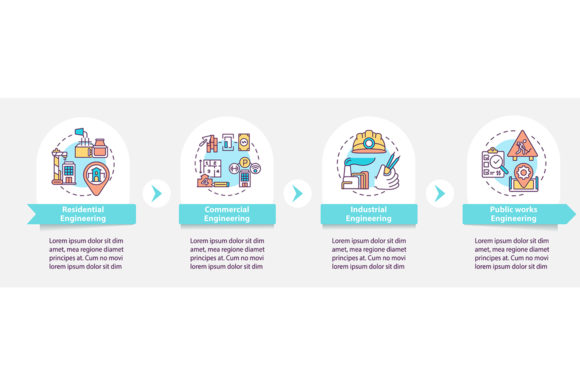
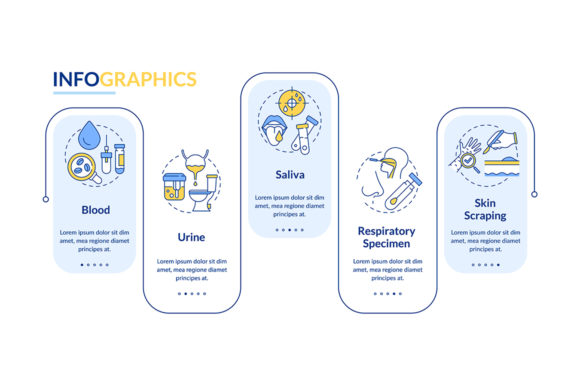
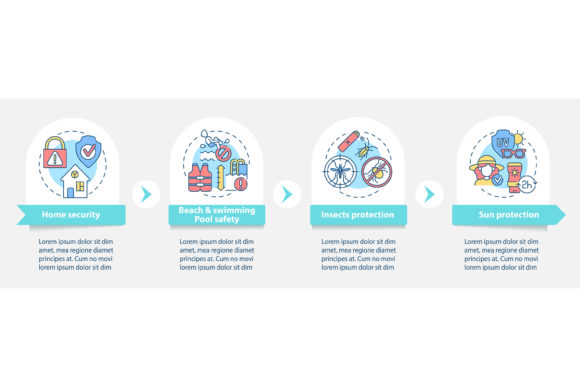
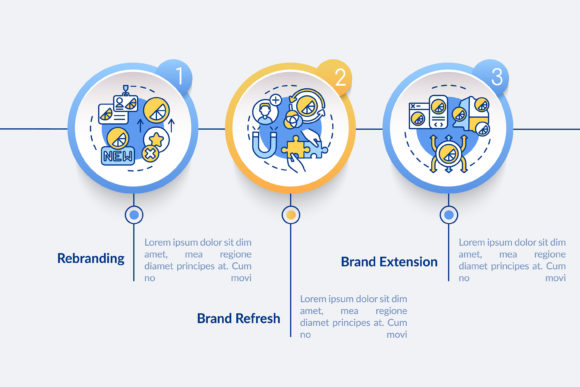
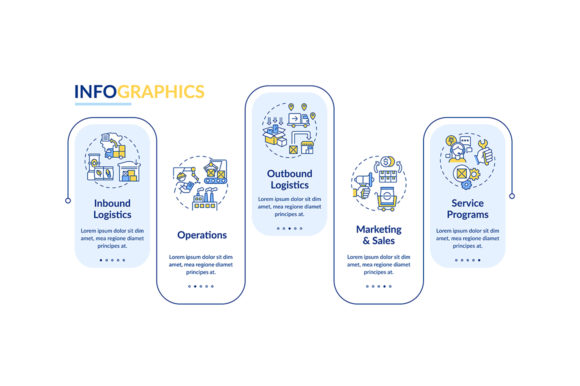
The Value Chain Components Infographic immediately conveys a sense of organization and clarity. With its linear icons and process timeline chart, it feels like a tool designed for both functionality and aesthetics. The design suggests a brand personality that is methodical, reliable, and forward-thinking—perfect for small business branding that values transparency and efficiency.
This infographic would fit well with a variety of local businesses, from coffee shops to handmade soap companies. It has a slightly modern and professional tone, but not so formal that it feels out of place in a boutique or artisanal setting. The style is versatile enough to work with both rustic and sleek brand identities.
Practical Applications in Local Business Design
One of the most valuable aspects of the Value Chain Components Infographic is its adaptability. It can be used across multiple touchpoints in a small business’s design system. For example, when working on product labels or packaging design, this infographic can serve as a subtle accent that reinforces the brand’s commitment to quality and process.
In a bakery or food business, it could appear on a menu graphic or as part of a promotional banner. For a skincare brand, it might be used on a thank-you card or as an insert in a product box. The infographic’s structure also makes it ideal for social media graphics, where it can help explain the brand’s story in a visually engaging way.
When designing for a handmade business, the infographic can add a layer of professionalism without overshadowing the organic, personal feel of the products. It works especially well when paired with soft textures or warm color palettes.
Supporting Business Presentation and Brand Identity
Using the Value Chain Components Infographic in a business presentation can significantly enhance the first impression. It provides a clear visual hierarchy that guides the audience through the brand’s process, making complex ideas more digestible. This is especially useful for small business branding where clarity and trust are key factors in customer decision-making.
For product packaging, this infographic can act as a brand differentiator. It adds a layer of sophistication that helps the product stand out on the shelf. When used as a decorative brand element, it can reinforce the brand’s identity while maintaining a clean and uncluttered look.
It also supports better product recognition by consistently reinforcing the brand’s message across all marketing visuals. Whether it's on a business card, flyer, or website banner, the infographic helps create a cohesive and polished brand presence.
Where the Asset Excels in Design Projects
The Value Chain Components Infographic shines in situations where a strong visual narrative is needed. It works exceptionally well as a hero graphic on a website or as part of a product mockup. For seasonal campaigns, it can be adapted to reflect the theme while maintaining its core structure.
It’s also great for printable design elements, such as hang tags or stickers, where a simple yet informative graphic can add value without overwhelming the user. In a boutique setting, it can be used as a decorative brand element that complements the overall aesthetic without competing with other design elements.
For social media campaign graphics, the infographic can be broken down into smaller components, making it easy to share on platforms like Instagram or Facebook. Its linear layout allows for easy customization and integration into various content formats.
Where to Use It with Caution
While the Value Chain Components Infographic is highly versatile, there are certain scenarios where it may not be the best fit. In formal corporate branding, its simplicity may feel too basic, especially if the brand requires a more sophisticated visual language.
It should also be used carefully on very small labels or crowded product packaging, where space is limited. In these cases, the infographic might become too detailed or hard to read. Similarly, in layouts with a lot of text or legal information, it could compete with the primary message.
For luxury minimalist brands, the infographic’s structure might feel too busy. It’s important to test it against the brand’s existing visual language to ensure it aligns with the overall aesthetic.
Brand Designer Notes: Testing and Integration
Before finalizing any use of the Value Chain Components Infographic, it’s essential to test it on real packaging mockups. This helps determine how it looks in physical form and whether it meets the desired visual impact. Checking black and white usage is also important, as some designs may lose clarity when printed in monochrome.
Previewing the infographic on small labels ensures that it remains legible and effective at reduced sizes. Testing it with brand colors helps maintain consistency across all design materials. Comparing it with competitor packaging can reveal opportunities for differentiation.
Reviewing PNG transparency and inspecting SVG or vector editability is crucial for ensuring flexibility in future design changes. Testing it beside different font styles—serif, sans serif, script, handwritten, and display fonts—helps identify the best typographic pairings.
Finally, always confirm the commercial licensing before using the asset for client work, business branding, or physical product sales. This ensures that the design can be used without legal issues.
Conclusion: A Versatile Tool for Small Business Branding
The Value Chain Components Infographic is a powerful graphic design asset that can support a wide range of local business projects. From product packaging to social media graphics, it offers a structured and professional approach to visual storytelling. Its clean design and clear layout make it an excellent choice for small business branding, handmade businesses, and creative entrepreneurs looking to enhance their marketing visuals.