Civil Engineering Professional: Graphics for Real Projects
As a designer who regularly works on branding, marketing visuals, and digital design assets, I always look for reliable creative design elements that can elevate a project without complicating it. The Civil Engineering Professional vector infographic template offers a unique blend of structure and visual appeal that could be a valuable addition to a design bundle or a standalone graphic design asset.
First Impressions: A Clean, Professional Mood
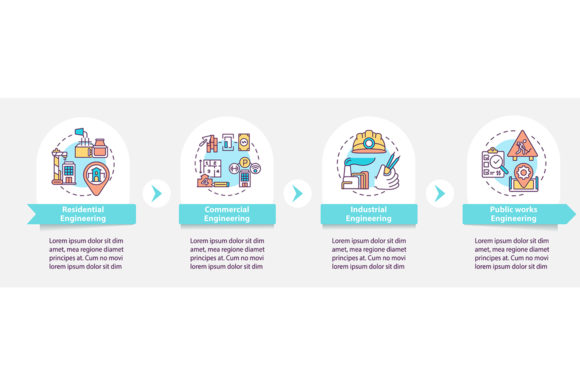
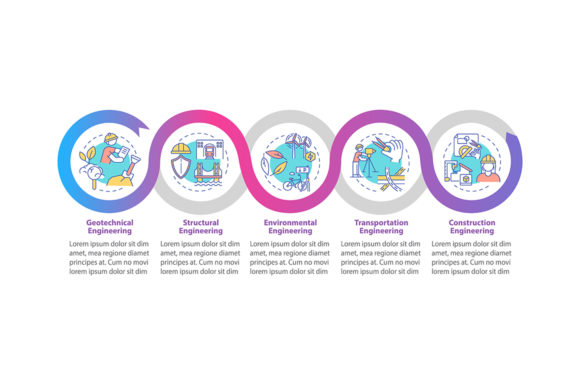
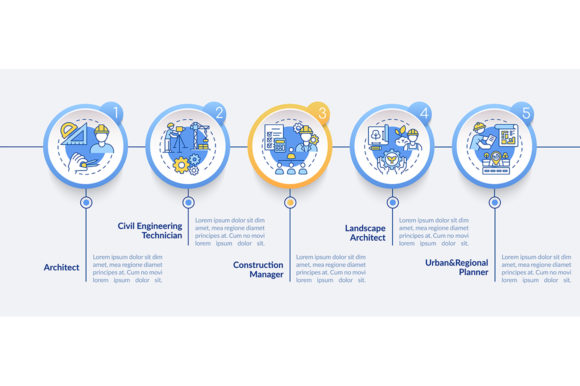
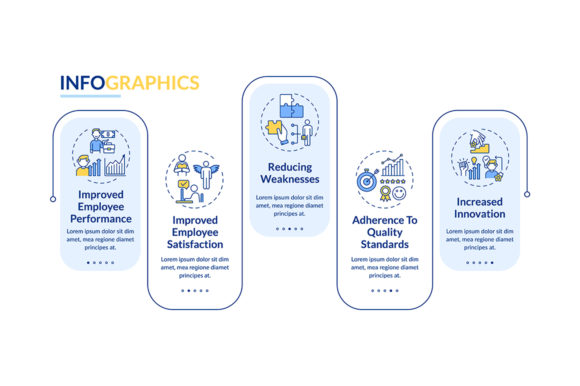
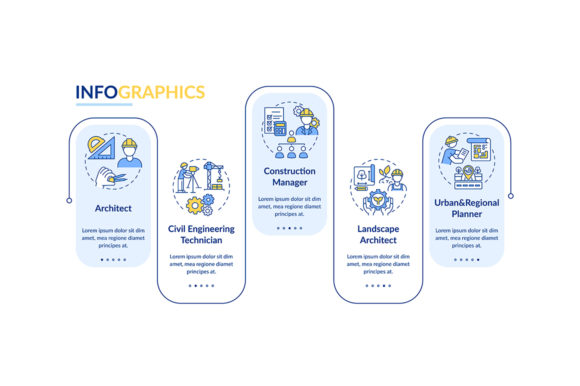
The first thing that stands out about Civil Engineering Professional is its clean, modern design. The use of linear icons, a process timeline chart, and data visualization with five steps creates a sense of order and clarity. This style feels right at home in a professional setting, making it ideal for contractor presentation design elements or any project that requires a structured visual approach.
The infographics and graphics are designed with a focus on readability and hierarchy, which makes them suitable for a wide range of applications—from packaging design to social media graphics. It’s the kind of asset that can help a small business branding effort feel more polished and cohesive.
Real-World Design Applications
When working on a handmade business or a local event promotion, having a design asset like Civil Engineering Professional can make a big difference. Whether it's for a t-shirt design, a sticker design, or a product mockup, the template provides a strong visual foundation that can be adapted to various formats.
For example, if I were designing a campaign for an Etsy product or a print-on-demand item, this asset could serve as a key element in the visual storytelling. Its workflow layout with linear icons makes it easy to integrate into editorial design, blog visuals, or even a Canva template for quick edits.
It also works well in commercial design projects where a clear, professional look is needed. The data visualization with five steps could be used to explain a process or a service offering, making it a useful tool for a brand identity or marketing visuals.
Best Use Cases: Where It Shines
Civil Engineering Professional excels in large layout areas, such as hero graphics or product mockups. Its design is bold enough to stand out but not overwhelming, making it perfect for decorative accents or themed collections. It can also be used in campaign visuals, packaging details, or printable designs that require a structured yet elegant look.
For a boutique product line or a seasonal campaign, this asset can add a level of sophistication that aligns with the brand’s tone. It’s especially effective when used in combination with other design elements, such as a sublimation design or a clipart illustration, to create a cohesive visual language.
Caution Areas: When to Avoid It
While Civil Engineering Professional is versatile, it may not be the best choice for every project. In small sizes or crowded layouts, the details can get lost, reducing its effectiveness. It also doesn’t work well on complex backgrounds or low-contrast designs, where the clarity of the elements might be compromised.
For minimalist branding or very clean visual hierarchy, this asset might be too busy. Similarly, in professional corporate materials, where simplicity and precision are key, it may not fit the desired aesthetic. Designers should carefully consider the context before using it in these scenarios.
Impact on Branding and Visual Trust
One of the most important aspects of any design asset is how it contributes to brand consistency and visual trust. Civil Engineering Professional has a professional look that can enhance the perception of a brand, especially for businesses in the construction, engineering, or consulting sectors.
Its structured layout helps reinforce a sense of reliability and organization, which can be crucial for audience engagement and emotional appeal. When used correctly, it can elevate the overall impression of a design project, making it feel more polished and intentional.
Practical Designer Notes
Before using Civil Engineering Professional for a client project, there are several practical checks to consider. Test it in black and white to see how it holds up without color. Check contrast on both light and dark backgrounds to ensure visibility. Preview it at different sizes to confirm that the details remain clear and legible.
Place it on real mockups to see how it integrates with other design elements. Test print quality if it’s intended for physical use, and review file formats to make sure they’re compatible with your workflow. If it includes PNG transparency, check that it works as expected. For SVG designs, verify that the vector elements are editable and scalable.
Compare it with different font styles—serif, sans serif, script, or display fonts—to see how it interacts with text. Finally, always confirm the commercial license before using it for a client or business project to avoid any legal issues.
Conclusion: A Useful Creative Asset for the Right Project
Civil Engineering Professional is a solid graphic design asset that can add value to a variety of design projects. Its structured layout, clean lines, and professional mood make it a great fit for contractor presentation design elements, branding efforts, or marketing visuals. While it may not be suitable for every situation, it’s a reliable choice when the goal is to create a polished, organized, and visually appealing design.
For designers looking to enhance their creative marketplace offerings or support a handmade business, this asset could be a valuable addition to a design bundle or a standalone printable design. With proper testing and thoughtful application, it can help elevate the overall quality of a project and meet the needs of a diverse range of clients.