Religious Experience Vector Infographic Graphics
As a brand designer working with small business owners, I often look for design assets that can elevate their visual identity without overwhelming their message. The Religious Experience Vector Infographic caught my attention as a versatile graphic design asset that could support multiple aspects of local business branding, from product packaging to social media graphics.
First Impressions and Brand Personality
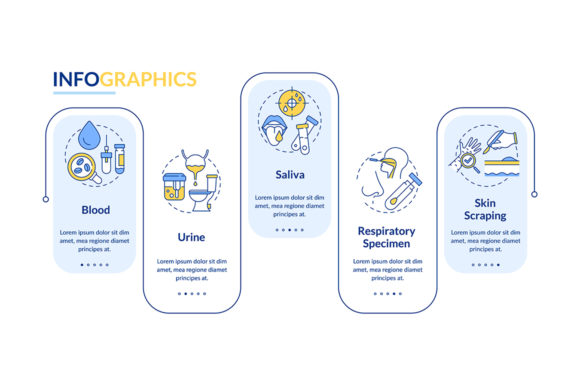
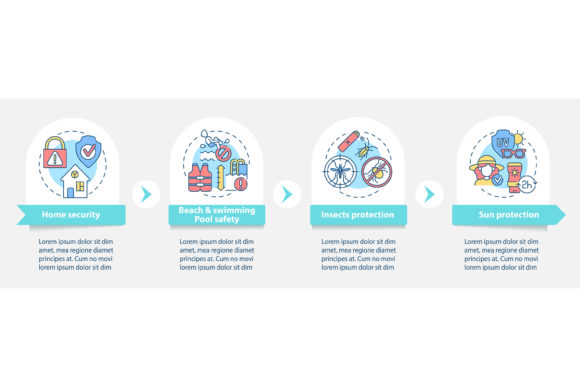
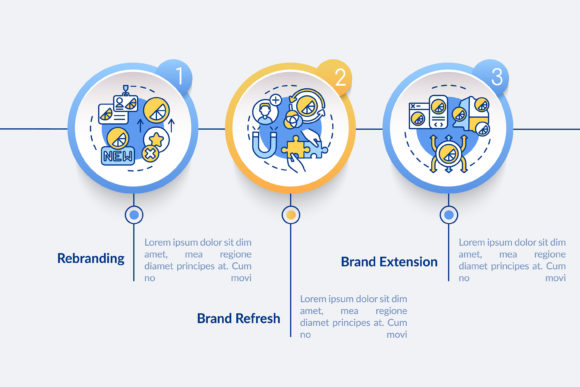
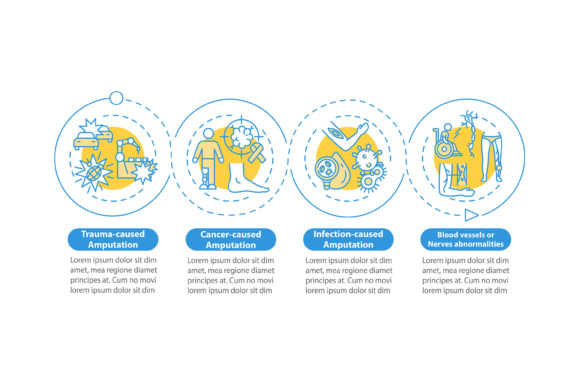
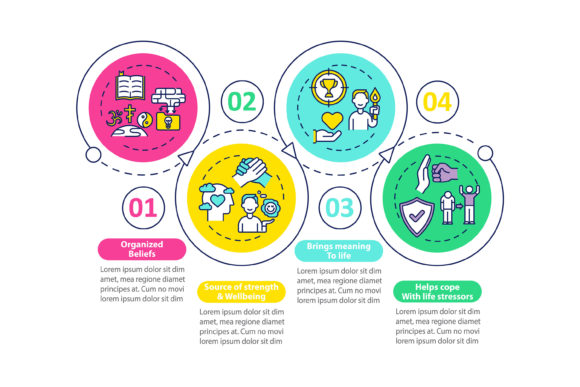
The Religious Experience Vector Infographic immediately evokes a sense of calm and purpose. Its clean lines, linear icons, and process timeline chart suggest a brand that values clarity, intention, and storytelling. This makes it ideal for businesses that want to communicate wellness, personal growth, or spiritual connection—such as a handmade soap company, a yoga studio, or a boutique skincare line.
The design feels both modern and approachable, with a soft yet structured aesthetic. It’s not overly decorative, which means it can blend well with a variety of brand styles, whether they lean toward organic, rustic, or minimalist.
Real-World Applications for Local Businesses
This infographic is more than just a visual element—it’s a tool that can be adapted across different touchpoints. For a local bakery, it could serve as a menu graphic highlighting the steps in their bread-making process. For a coffee shop, it might illustrate the journey of their beans from farm to cup.
In product labeling, the Religious Experience Vector Infographic can add a layer of storytelling that helps customers connect with the brand on a deeper level. It also works well as a background for thank-you cards, hang tags, or promotional flyers that emphasize the care and intention behind a handmade product.
For social media managers, this design asset offers a way to create consistent visuals that align with a brand’s messaging. Whether used as a post header, a story graphic, or a carousel slide, it adds a professional touch without requiring complex editing skills.
Supporting Business Presentations
When designing for small business branding, one of the biggest challenges is creating a strong first impression. The Religious Experience Vector Infographic helps with that by providing a clear visual hierarchy and a cohesive layout. It ensures that important information stands out while maintaining an elegant flow.
This design asset also supports better product recognition. By using consistent visual elements across packaging, labels, and marketing materials, businesses can build a stronger brand identity that customers remember. It enhances customer trust by presenting a more polished and professional image, especially when paired with high-quality print or digital formats.
For packaging designers, the Religious Experience Vector Infographic can be a subtle but effective accent that draws attention on the shelf. It’s particularly useful for seasonal campaigns or limited-edition products where visual appeal plays a key role in consumer decision-making.
Where It Works Best
The Religious Experience Vector Infographic shines in areas where storytelling and clarity are important. It’s perfect for product labels that aim to explain a process, a brand’s mission, or a unique selling point. As a hero graphic on a website or social media post, it can capture attention and guide the viewer through a narrative.
It also works well as a decorative brand element in boutique storefronts or online shops. For seasonal packaging, it can be customized to reflect holidays, special events, or new product launches. When used in social media campaign graphics, it adds a level of sophistication that elevates the overall content quality.
Where to Use It Carefully
While the Religious Experience Vector Infographic is highly adaptable, there are situations where it may not be the best choice. In formal corporate branding, its design might feel too casual or decorative. For very small labels, the details could become lost or illegible.
In crowded product packaging or layouts filled with ingredient lists and legal text, this infographic could compete with essential information. It’s also not ideal for luxury minimalist brands that prioritize simplicity over visual complexity. Additionally, if placed on low-contrast backgrounds, the design may not stand out as intended.
Practical Designer Notes
Before finalizing any design project, I always recommend testing the Religious Experience Vector Infographic on real packaging mockups. Check how it looks in black and white, on small labels, and with different brand color schemes. Ensure that it doesn’t interfere with legibility, especially when used alongside text.
Review how it appears beside various font styles—serif, sans serif, script, handwritten, and display fonts—to ensure it complements the overall typography. Confirm that the file format (SVG or PNG) meets your needs and that the commercial license allows for use in client projects, physical product sales, or digital marketing campaigns.
Finally, compare it with competitor packaging to ensure it stands out while still fitting within your brand’s visual language. Always inspect the print quality and test the transparency of PNG designs to avoid unexpected results during production.
Conclusion: A Versatile Asset for Small Business Branding
The Religious Experience Vector Infographic is more than just a design template—it’s a powerful tool that can enhance the visual storytelling of any small business. Whether used in product packaging, social media graphics, or promotional materials, it brings clarity, consistency, and a sense of purpose to the brand’s visual identity.
For local business owners and creative entrepreneurs, this graphic design asset offers a way to elevate their presentation without sacrificing simplicity or functionality. It’s a valuable addition to any design toolkit, especially for those looking to build a strong, memorable brand presence in a competitive market.