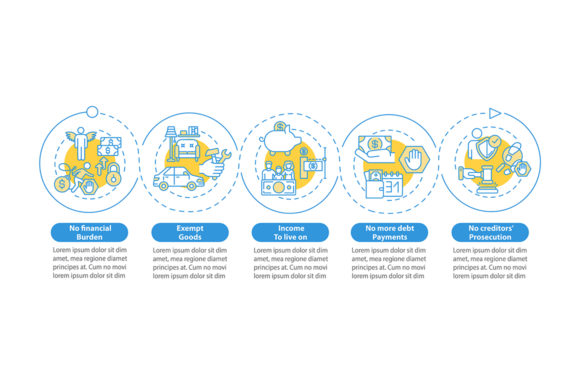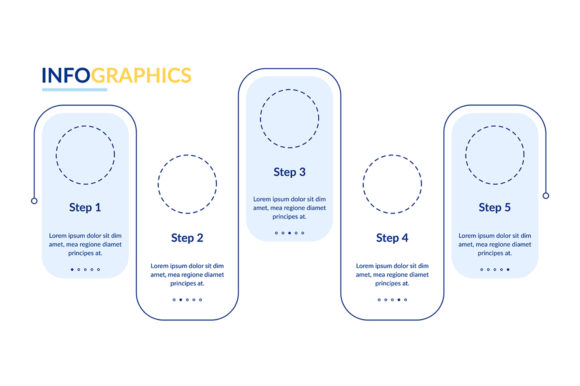
Blank White Vector Infographic Template
As an embroidery designer with years of experience, I’ve seen my fair share of digital design files. Some are ready to go, others need a lot of tweaking, and a few fall into the “could be useful” category. The Blank White Vector Infographic Template is one of those designs that has potential—but it’s not a one-size-fits-all solution. Let me walk you through how it performs in real-world embroidery projects and where it might shine or struggle.
First Impressions: A Clean, Flexible Canvas
The Blank White Vector Infographic Template immediately gives off a professional, minimalist vibe. Its clean lines and structured layout make it ideal for data visualization, process flowcharts, and workflow diagrams. The white background offers a neutral base, which means it can easily be adapted to different color schemes or fabric types. However, this simplicity also means the design doesn’t have much visual flair on its own. It’s more of a framework than a finished product.
From a design standpoint, the template feels like a starting point rather than a complete artwork. It includes text space, so you can add your own labels, headings, or instructions. That’s great for customization, but it also means you’ll need to think about how the final design will look when stitched out. Will the text be legible? Will the layout hold up under stitch density? These are questions that come up quickly when working with this file.
Real-World Use Cases: Where It Fits and Where It Fails
Let’s say you’re designing a custom embroidered tote bag for a client who wants a visual representation of their business process. The Blank White Vector Infographic Template could work well here—especially if the client wants something subtle and professional. But if the design is too small or too detailed, it might not translate well to fabric. Embroidery isn’t always about precision; sometimes, the texture of the fabric and the type of stitches used can change the outcome significantly.
For example, if you’re using this design on a sweatshirt or a baby onesie, you’ll want to pay close attention to the stitch density. Too much stitching in one area can cause the fabric to pucker or the design to look stiff. On the other hand, if the design is too sparse, it might not hold up during washing or wear. This is where testing on scrap fabric becomes essential.
The template also works well for printable mockups or digital product previews. If you’re an Etsy seller or a digital product creator, having a clean, editable design like this can save time when creating marketing materials or client presentations. But again, it’s important to remember that what looks good on a screen may not translate perfectly to a physical embroidered item.
When to Be Cautious: Design Limitations and Fabric Challenges
There are certain situations where the Blank White Vector Infographic Template might not be the best choice. For instance, if you’re working with small hoop sizes, the design might be too large to fit comfortably. Similarly, if you’re trying to embroider on textured fabrics, thin materials, or stretchy garments, the design could lose its clarity or become distorted.
Another consideration is the use of dark fabrics. Since the template is white, it may not show up well against a black or dark-colored background. You’ll need to test it in different lighting conditions and possibly adjust the thread colors for better visibility. If you're planning to use it on a holiday gift or a personalized product, this detail could make or break the final result.
Also, keep in mind that the design includes copyspace and text areas. If you’re planning to use it for commercial embroidery or sell finished products, you’ll need to ensure that the text is clear and that the overall layout is consistent with your brand. This is especially important if you're targeting small shop products or boutique branding.
Design Notes for Embroidery Professionals
If you're an embroidery designer or a craft business owner, here are a few practical tips to keep in mind when working with the Blank White Vector Infographic Template:
- Test on scrap fabric first. Always check how the design looks on the actual material you plan to use. This helps avoid surprises later on.
- Check thread color contrast. Make sure the colors you choose stand out against the fabric and don’t fade quickly.
- Review stitch density. Avoid over-stitching in any one area, as this can damage the fabric or make the design look unbalanced.
- Confirm hoop size. Ensure the design fits within your machine’s hoop limitations. If not, consider resizing or simplifying the layout.
- Inspect small details. Look closely at corners, edges, and text to make sure they’ll be visible after stitching.
- Test in black and white mockups. This helps identify any issues with contrast or clarity before committing to a final design.
- Compare light and dark fabric backgrounds. The white template may not be suitable for all fabric types, so test it thoroughly.
- Use proper stabilizer. Stabilizers help maintain the integrity of the design, especially on delicate or stretchy fabrics.
- Check licensing before selling. If you plan to sell finished items or digital products, make sure the design allows for commercial use.
Final Thoughts: A Useful Tool for the Right Project
The Blank White Vector Infographic Template isn’t a magic bullet, but it can be a valuable asset for the right project. It’s best suited for clean, professional designs that require a bit of customization. Whether you're creating a custom apparel piece, a personalized gift, or a digital product preview, this template offers flexibility—but it also requires thoughtful execution.
As with any embroidery file, the success of the Blank White Vector Infographic Template depends on how well it’s adapted to the specific needs of your project. With careful planning, testing, and attention to detail, it can become a reliable part of your design toolkit. Just remember: not every design is perfect for every application, and that’s okay. What matters is how you use it.